Friendly Fire X Team Liquid: Same Community, New Level
Friendly Fire and Team Liquid join forces. The same community, a new name and a bigger future for playing together.
Read the story
Regular visitors, longer stays and a reason to come back. Why video game cafes and shopping centres work well together.
Shopping centres have always had two types of tenants. One is your regular stores and shops that pay for the majority of the space. The others are the ones who bring people: department stores, cinemas, fast food chains and others usually get better deals since they attract people who spend money next door.
Gaming cafes fall in a strange area here. They’re not something a shopping centre wants to brag about, and usually end up with weird spaces on top floors, edges of the mall, or spaces that were not designed for them at all. And yet, when run well, they generate a steady flow of young people who spend hours at the mall and come back.

Research from the late 90s, when the US mall culture peaked, shows that so-called “anchor stores” received more than a 70% discount on rent compared to others, and that the owners recovered that cost with premiums on other stores who benefit from people already being there.
The bottom line is simple for any store in the mall: if you bring more people in, you’re worth more to the shopping centre, and to the other stores.
Today, it’s not the 90s anymore. Back then, a hot flagship store for a brand drew the traffic into the mall like moths to a flame, but now everything is available online, and there’s no real need to go visit a large Zara store apart from trying stuff on, which you can do at home anyway.
In the modern era, anchor stores are increasingly becoming those that offer some sort of experience. This can be a gym, a restaurant, or a gaming cafe. In the United States, more people visit shopping centres for entertainment than actually shopping.
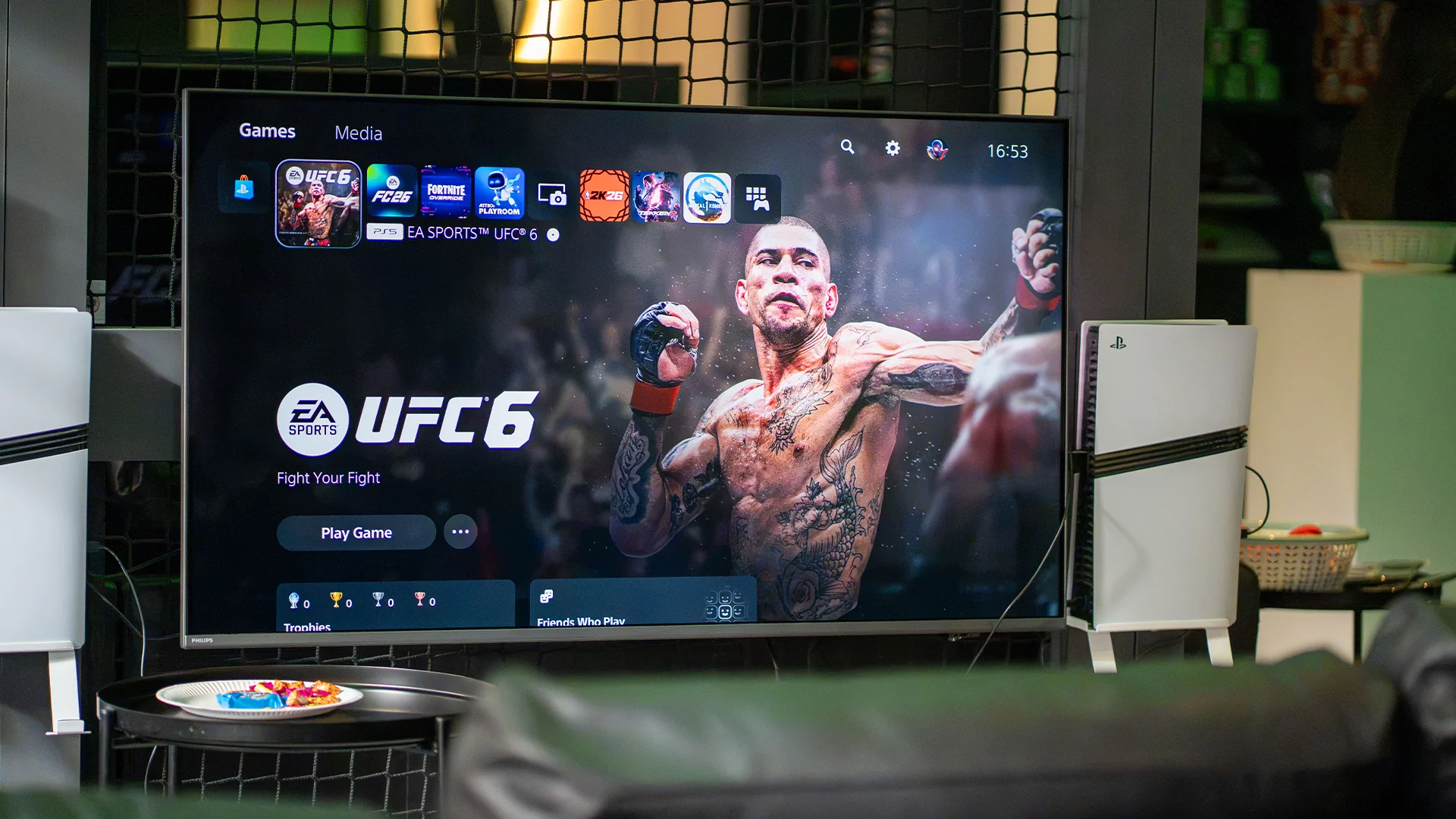
The average mall visit, an important metric that decides whether someone will actually buy something in the building, is rising as well due to entertainment. Good availability of entertainment means that users will spend more time in the shopping centre, and perhaps buy something from “classic” retailers.
Interestingly, research also shows that Gen Z visits malls more often than Gen X or millennials. The interesting revival of the shopping mall visit with younger people is also called the “retail revival”, and is a part of a broader cultural shift towards more analogue and in-person experiences younger people seek. These young people are also very interested in video games, and are also the generation gaming cafes attract.
Our very own Luka Jelić explained that having a Team Liquid Cafe in a shopping mall is a good idea for another interesting reason:
“While parents shop and visit stores in the malls, their kids have a space where they can have fun and be 100% safe. This way, we’re eliminating the stress that parents usually have when their children aren’t interested in shopping by having kids spend time with their peers.”
A gaming cafe in 2026 has the traits a hot new store had in the 90s, but it takes a particular person to notice them.
The number one case for gaming cafes is that visitors are two of the hottest types of visitors: regular and long-staying. When you combine someone who comes to a mall two times a week with someone who stays for five hours in a gaming cafe, you get a person who will definitely buy something from that same mall for school, birthdays, holidays. They’re already there often, so it’s convenient and they’re familiar with the stores.
In addition, while TL Cafe offers in-house food and drink, regulars will often hang out in other places in the mall, boosting their traffic a bit.
Because you book time through the app and arrive at a familiar location, there’s no need for the gaming cafe to be in a prominent location, really. This also makes for a good case for other shops, since visitors are bound to walk next to them on their way to and from the cafe. During seasonal sales or holidays, this makes for key traffic for stores of all kinds.
Out of all Team Liquid Cafe locations, 9 are located in shopping malls, which makes up around 41% of all locations. This includes Lugner Citys and Millenium in Austria, Alexandrium in the Netherlands, our Point centre location in Zagreb, Zadar Relja, Joker Split, as well as three locations in Bosnia and Herzegovina.
Friendly Fire and Team Liquid join forces. The same community, a new name and a bigger future for playing together.
From choosing a location to opening day: what it takes to become a Team Liquid Cafe franchise owner.
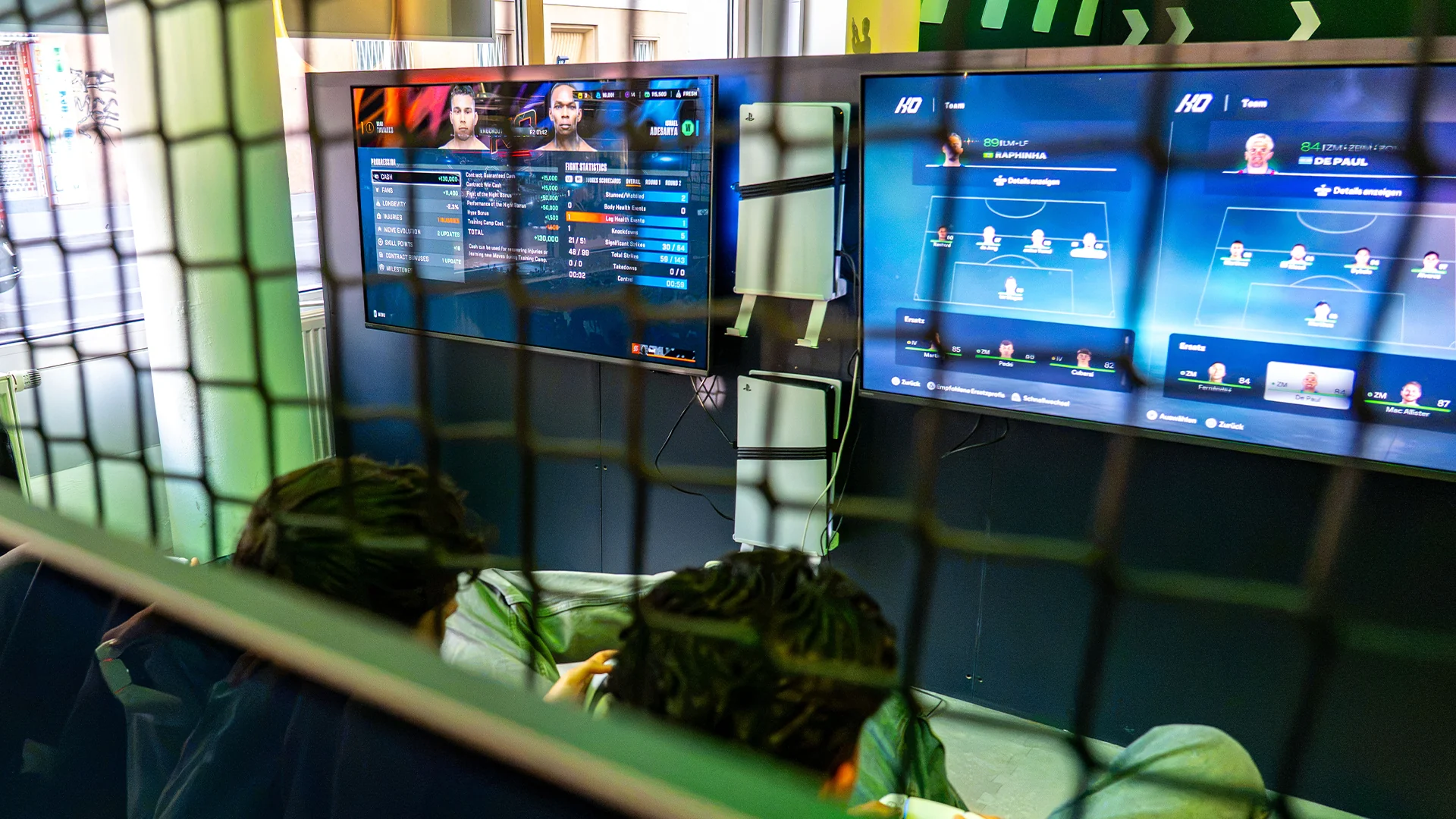
Great hardware is only part of the story. The real draw is playing, connecting and spending time together.